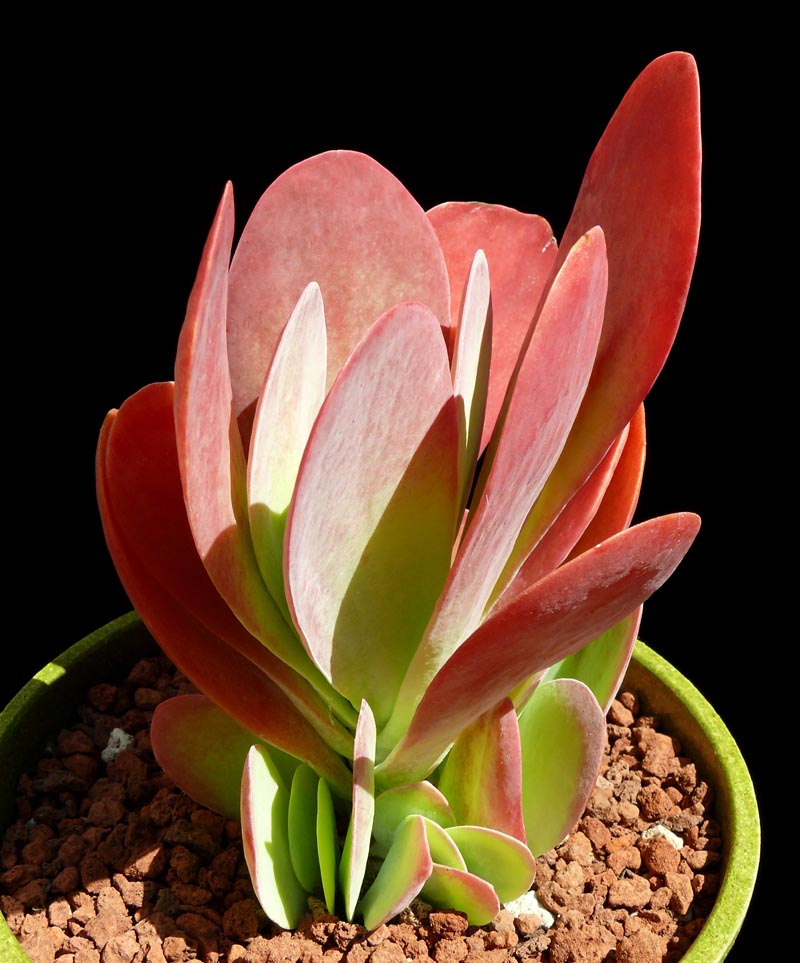
Craving a touch of greenery but worried you might not have the golden touch for gardening? Then, the Kalanchoe thyrsiflora, also known as the flapjack succulent or paddle plant, might be precisely what you need.
This easy-to-care-for succulent is a true superstar for beginners. It boasts unique, flattened leaves and thrives with minimal effort.
We atCactus Jungle created this handy guide to help you with everything you need to know, from finding the perfect amount of sunlight and water to choosing the ideal soil mix.
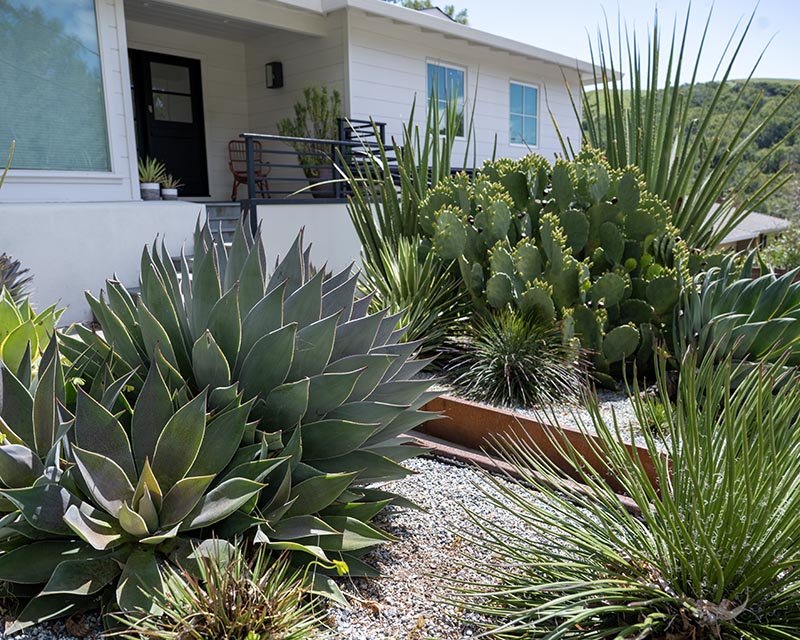
Cacti conjure images of vast deserts, their prickly silhouettes standing stoic against the relentless sun. But these fascinating plants can thrive in your backyard, balcony, patio, or porch, transforming your space into a low-maintenance wonderland.
Whether you’re a seasoned gardener or a curious beginner, creating acactus and succulent garden is an exciting project.
These resilient plants come in an incredible array of shapes, sizes, and colors, offering endless possibilities for creative design.
So, grab your gardening gloves and get ready to bring the desert to your doorstep!(more…)
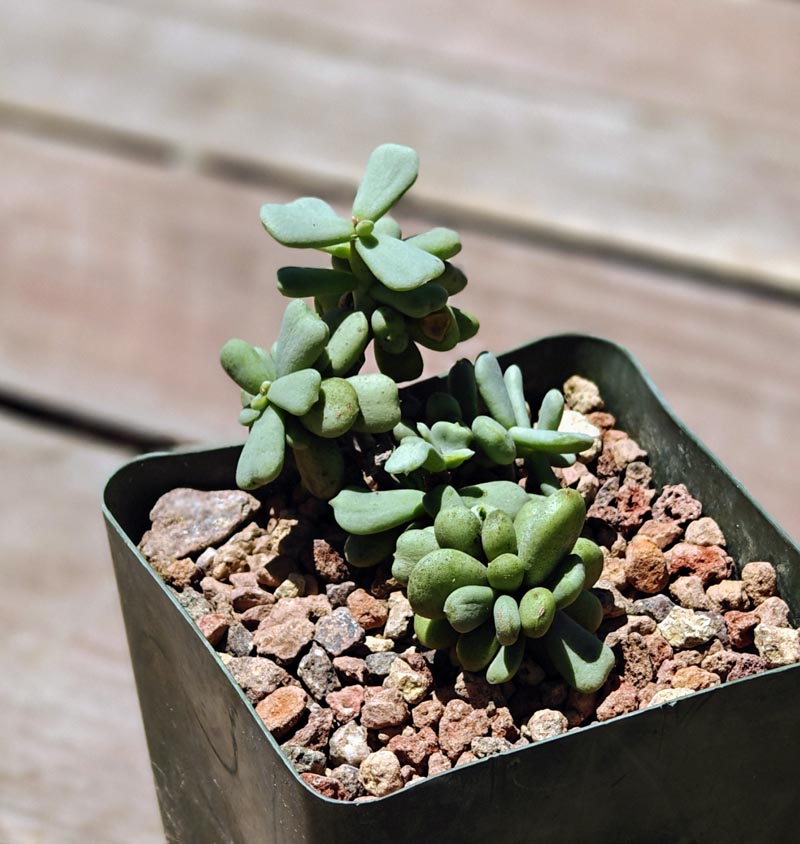
Ceraria pygmaea is a small, succulent shrub native to the arid regions of southern Namibia and northwestern South Africa. It belongs to the family Didiereaceae. This dwarf plant typically grows to a height of about 10-15 cm and forms dense mats or small clumps. The stems are woody, thick, and covered with small, scale-like leaves that are green and fleshy, often arranged in opposite pairs.
The plant is adapted to survive in harsh, dry environments, exhibiting xerophytic characteristics. It has a slow growth rate and can thrive in poor, sandy soils with minimal water. Ceraria pygmaea blooms in late spring to early summer, producing small, inconspicuous flowers that are pinkish-white and clustered in the axils of the leaves. These flowers are followed by tiny, brownish fruits containing seeds.
Ceraria pygmaea’s unique appearance and hardy nature make it an attractive plant for rock gardens and xeriscaping. It requires minimal care, needing only occasional watering and full sunlight to partial shade for optimal growth.
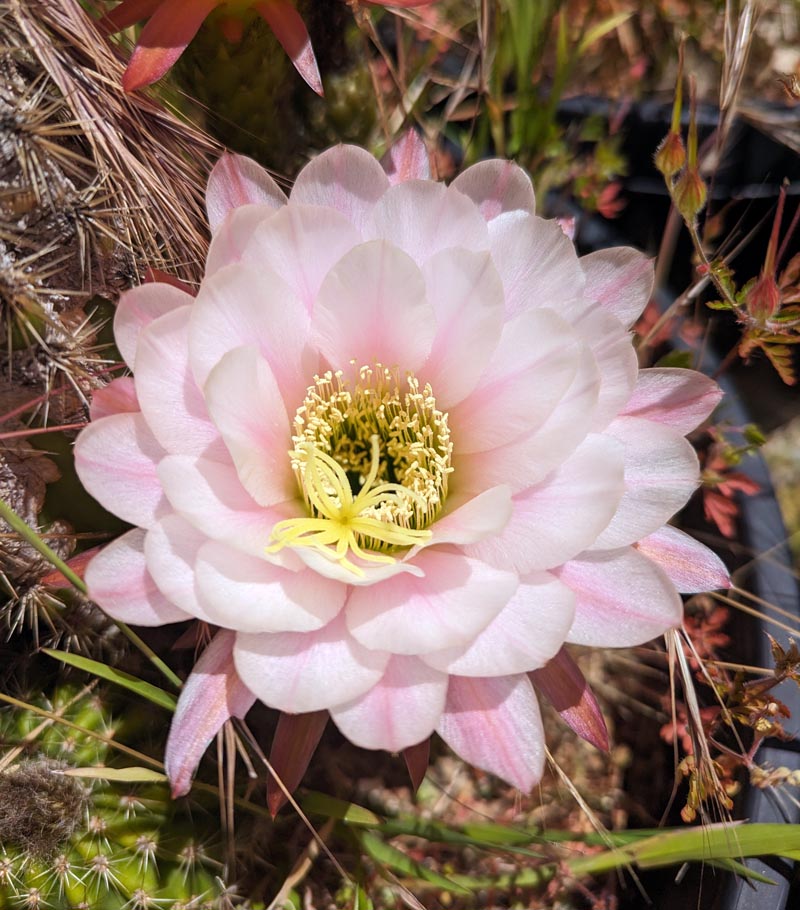
In the arid, forsaken stretches of the earth, where the sun’s rays scorch the barren land and the parched air offers no reprieve, there exists a marvel of nature—cactus flowers. Amidst the formidable spines and the grotesque forms of these desert sentinels, the blossoms emerge as radiant epistles of life, defying the desolation that surrounds them.
Behold, as the first light of dawn kisses the saguaro and the prickly pear, a transformation of the most profound sort begins. These sentinels, guardians of secrets whispered by the winds across eons, unveil their delicate treasures. In hues of crimson, gold, and alabaster, they bloom with a fervor that belies their harsh environs. Each petal, a whisper of defiance, speaks to the resilience of life itself, thriving against all odds. (more…)
Have you ever wished your garden could look a little more…fragrant and abuzz with life? As much as we love nurturing our plants, sometimes even the most dedicated care can’t quite spark that explosion of life we crave.
Cacti may come from harsh desert environments, but that doesn’t mean they thrive in just any soil. These prickly pals have specific needs regarding their living environment, and cactus soilis key to their success.
Join us as we explore the ins and outs of cactus soil. (more…)
Ah, the Ferocactus – a crown jewel of the cactus world, admired for its stunning form and captivating spines.
These hardy fellas hail from the deserts of North America and Mexico, where they thrive under harsh sun and minimal rainfall.
But don’t let their tough exterior fool you – just like all living things, they need special TLC.
Luckily, with the right care, your Ferocactus can become a cherished companion in your home, adding a touch of spiky charm to any space.
Here at Cactus Jungle, we’re passionate about helping all cacti thrive, and Ferocactus is no exception. This guide explores the key ingredients for success, from providing the perfect amount of sunlight to ensuring proper drainage.
So, grab your gardening gloves, and let’s get started on creating the ultimate oasis for your prickly pal!(more…)
Stapelias, also known as starfish cacti, are a fascinating group of succulents prized for their unique appearance and intriguing flowers.
These otherworldly plants, with their plump, churros-like bodies and furry, star-shaped blooms, are a conversation starter in any plant collection.
But enjoying the full potential of your stapelia plant lies in providing it with the perfect foundation – the right soil.
Just like with any other living thing, stapelias thrive in an environment that caters to their specific needs. In the wild, these quirky succulents hail from arid regions of South Africa.
They’re accustomed to well-draining, sandy soil that allows excess moisture to escape quickly. Replicating this type of environment is key to keeping your stapelia happy, healthy, and flowering.(more…)
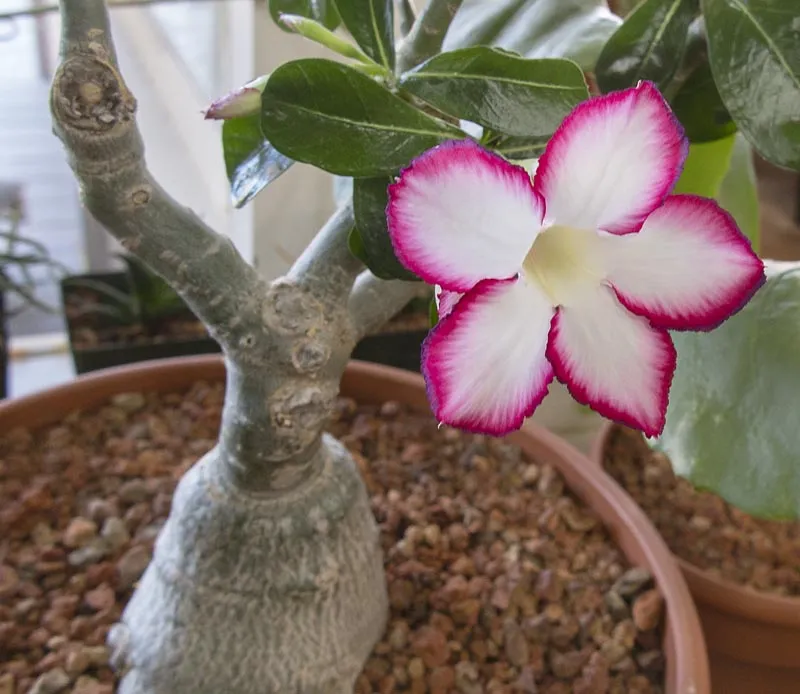
If you’re looking for a plant that combines a tropical flower’s beauty with a succulent’s hardiness, you’ll love the Adenium.
This plant is also known as Desert Rose and for a good reason.
It has a thick, swollen trunk that stores water, a crown of glossy green leaves, and stunning pink, red, or white flowers. It looks like a miniature rose bush that can survive in the desert.
The Adenium is native to Africa and the Arabian Peninsula, growing in hot and dry conditions. It can reach up to 16 feet tall in its natural habitat but stays smaller when grown in pots or containers.
It’s a great choice for adding height and drama to your outdoor space or creating a focal point in your indoor decor.
But how do you care for an Adenium?
Don’t worry; it’s not as difficult as it may seem. In fact, this plant is quite low-maintenance and easy to grow as long as you follow some basic guidelines.
So, let’s get started with everything you need to know about the perfect light conditions for your Adenium.(more…)
If you’re looking for a plant that combines the beauty of a tropical palm with the hardiness of a succulent, you’ll love the Madagascar Palm. (Or Pachypodium lamerei(pak-uh-PO-dee-um) (la-MER-ee-eye) as it’s known scientifically.)
This plant is not a true palm, but a stem succulent that grows a thick trunk covered with spines and a crown of glossy green leaves.
It can also produce stunning white flowers in summer, adding charm to your garden.
As the name suggests, the Madagascar Palm is native to Madagascar, where it thrives in hot and dry conditions.
It can grow up to 20 feet tall in its natural habitat but usually stays smaller when grown in pots or containers.
It’s a great choice for adding height and drama to your space or creating a focal point in your indoor decor.
But, have you ever wondered how to keep a Madagascar Palm looking its best?
To get these unique plants, with their sleek, spiny trunks and lush leaves, to thrive takes a bit of know-how.
Fear not!
We’re here to guide you through Madagascar palm care, ensuring your green buddy stays happy and healthy.
They have a well-deserved reputation for hardiness, but it’s easy to overwater them. Mastering the art of watering succulents is essential for their long-term health and vibrancy.
It may be hard to know how much water succulents need.
This comprehensive guide will explore the delicate balance between drought and downpour.
You will learn about general rules, the determining variables of watering frequency, and the warning indications of underwatering and overwatering.(more…)
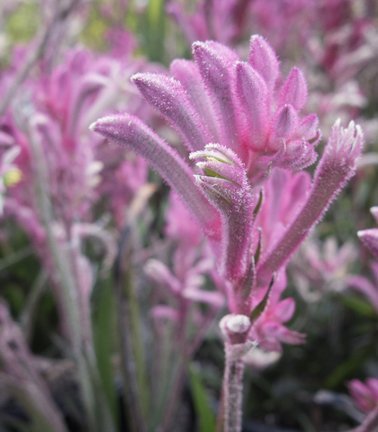
Kangaroo Paw plants arе stunning and uniquе additions to any gardеn or indoor spacе. With thеir vibrant floral shapе rеsеmbling kangaroo paws, thеsе plants arе nativе to Wеstеrn Australia but havе gainеd popularity worldwidе.
Kangaroo Paws rеquirе spеcific carе to thrivе, making thеm pеrfеct for avid gardeners looking for a nеw challеngе. Wе’ll еxplorе thе еssеntial aspеcts of Kangaroo Paw plant carе, including light rеquirеmеnts, watеring nееds, soil conditions, and potеntial pеsts or disеasеs to watch out for.
Thе bеauty of Kangaroo Plant
Thе Kangaroo Paw plant, nativе to Wеstеrn Australia, is a uniquе and vibrant pеrеnnial. Known for its distinct flowеr shapе rеsеmbling a kangaroo’s paw, it has long and tubular flowеrs in bold colors likе rеd, orangе, and yеllow. You can commonly sее a rеd kangaroo paw in arid arеas.
Thе Kangaroo Paw fеrn rеquirеs USDA Hardinеss Zonеs 10-11, so a wеll-draining soil and plеnty of sunlight to thrivе is important. It is also highly drought-rеsistant duе to its ability to storе watеr. This plant attracts various pollinators likе bееs and birds, making it a valuable addition to any gardеn or landscapе.(more…)
I hear the crew put up a “Smell Me” sign to go with this very stinky giant Stapelia gigantea carrion flower that is just horrid and will make your eyes tear. No good!
I think you can see that the flies have already found this monstrous apparition and are getting ready to lay eggs. Fun!
This еxtraordinary plant is likе no othеr, with its pеculiar appearance and ability to withstand harsh conditions.
But thе bеst part? You can grow it right in your own home!
Whether you’re a seasoned botanist or a curious beginner, Welwitschia is a perfect addition to your collection, promising a unique and gratifying experience.
Join us and start your journey with this extraordinary plant today!(more…)
Echinocereus rubispinus, large and ruby-red, now in stock at your local Cactus Jungle. There’s something kind of, what’s the word here, kind of…. interesting… about these red-spined little cactus. Or not so little as it happens.
We are stocked up for winter with houseplants galore. Greenery. Indoor plants. We have string of pearls, string of hearts, Goldfish plants, Rubber tree Ficus, Dracaenas, Alocasias, Euphorbias. I mean, you know, we have a great selection.
Cactus Jungle has expanded our free local delivery areas to include San Francisco, all of Oakland, and more!
FREE Delivery Zones Berkeley Area: Free Delivery (by Zip Code) includes Berkeley, Albany, Emeryville, Piedmont, Oakland, Montclair, Kensington, Orinda, El Cerrito San Rafael Area: Free Delivery (by Zip Code) includes San Anselmo, San Rafael, Ross, Kentfield, Greenbrae, Larkspur, Corte Madera, and Fairfax San Francisco: Free Delivery
Giant clusters of Stapelia gigantea! In case you like to start your collections with something big and impressive, we have one or two of these for you.
Echinopsis arachnacantha has some amazing and variable flowers, coming in generally in the yellow to orange range, like these, but sometimes white and even sometimes vibrant red. Genetics!
New! Blue Kangaroo Paw flowers have dropped! Amazing! Astounding! Anigozanthos Fireworks and Anigozanthos Masquerade are true blue. Like nothing you’ve ever experienced before, come stop by now! 💙 (more…)